
Jenchieh Hung and Kulthida Songkittipakdee are the founders of HAS design and research, an award-winning Bangkok-based architecture and design practice. Their work has received multiple international accolades, and they serve as jurors for major awards including RIBA Asia Pacific, ASA Experimental Design Awards, IDA (USA), the Chicago Athenaeum Future House Award, and the European Product Design Award.
Beyond practice, they are active in academia, exhibitions, and design discourse. They have curated major exhibitions such as Infinity Ground at BACC and Collective Language: Asian Contemporary Architecture. Through HAS Lab, they explore spatial systems and pattern formation, while also contributing as professors, guest editors, and international speakers shaping contemporary architectural dialogue.
You published From MANufAcTURE to Architecture: Museum of Modern Aluminum exploring your projects and underlying design philosophy. Share an overview of that philosophy and how it impacts your approach to architecture and design practice?
Jenchieh Hung: For us, architecture goes beyond creating buildings. It is about questioning the evolving relationship between people, culture, materials, climate, the city, and, most importantly, nature. Nowadays, nearly half of the world’s population lives in urban environments. While people naturally long for greenery, trees, and forests, it remains extremely difficult to integrate nature meaningfully into dense cities. This led both Kulthida Songkittipakdee and I to explore an important question: how can ordinary industrial materials be transformed into meaningful, nature-like spatial experiences? We believe architecture should not merely produce cities of concrete, glass, and metal, but instead create environments that reconnect people with nature emotionally, spatially, and sensorially. Through this approach, we attempt to make cities more nature-oriented and humane.
Kulthida Songkittipakdee: The book reflects our belief that architecture should move beyond pure form-making and instead engage deeply with social behavior, environmental conditions, craftsmanship, and contemporary urban life. Our design philosophy is rooted in the idea that every material contains both technical and cultural potential. Aluminum, for example, is often perceived as an industrial and repetitive material. However, through architectural experimentation, we discovered its ability to generate lightness, transparency, reflection, environmental responsiveness, and atmosphere.
Most importantly, it can evoke a strong sense of nature. When people approach our buildings, we hope they feel as if they are entering a forest, observing dandelions floating in the air, or encountering the soft glow of fireflies. This process of transforming “manufacture” into “architecture,” and ultimately transforming “architecture” into “nature,” has become a critical framework within our practice. We are deeply interested in how architecture can reinterpret industrial systems and infrastructure into nature-centred spaces that encourage human interaction, sensory experience, and environmental awareness.
Jenchieh Hung: As architects, professors/visiting professors at Tongji University and Chulalongkorn University, as well as adjunct/visiting professors at King Mongkut’s University of Technology Thonburi and World University of Design, this philosophy also strongly shapes the way we approach education and research.
We encourage students to see architecture as an ongoing process of observation, questioning, experimentation, and interdisciplinary thinking. Our academic and professional work are deeply interconnected, where research informs practice, and built projects become laboratories for testing new ideas related to sustainability, tropical living, material innovation, and urban transformation. Ultimately, our approach seeks to balance architectural expression with practical environmental and social responsibility. We believe architecture should contribute positively to everyday life, create meaningful dialogue with its context, and inspire new possibilities for the future of cities and society.
-
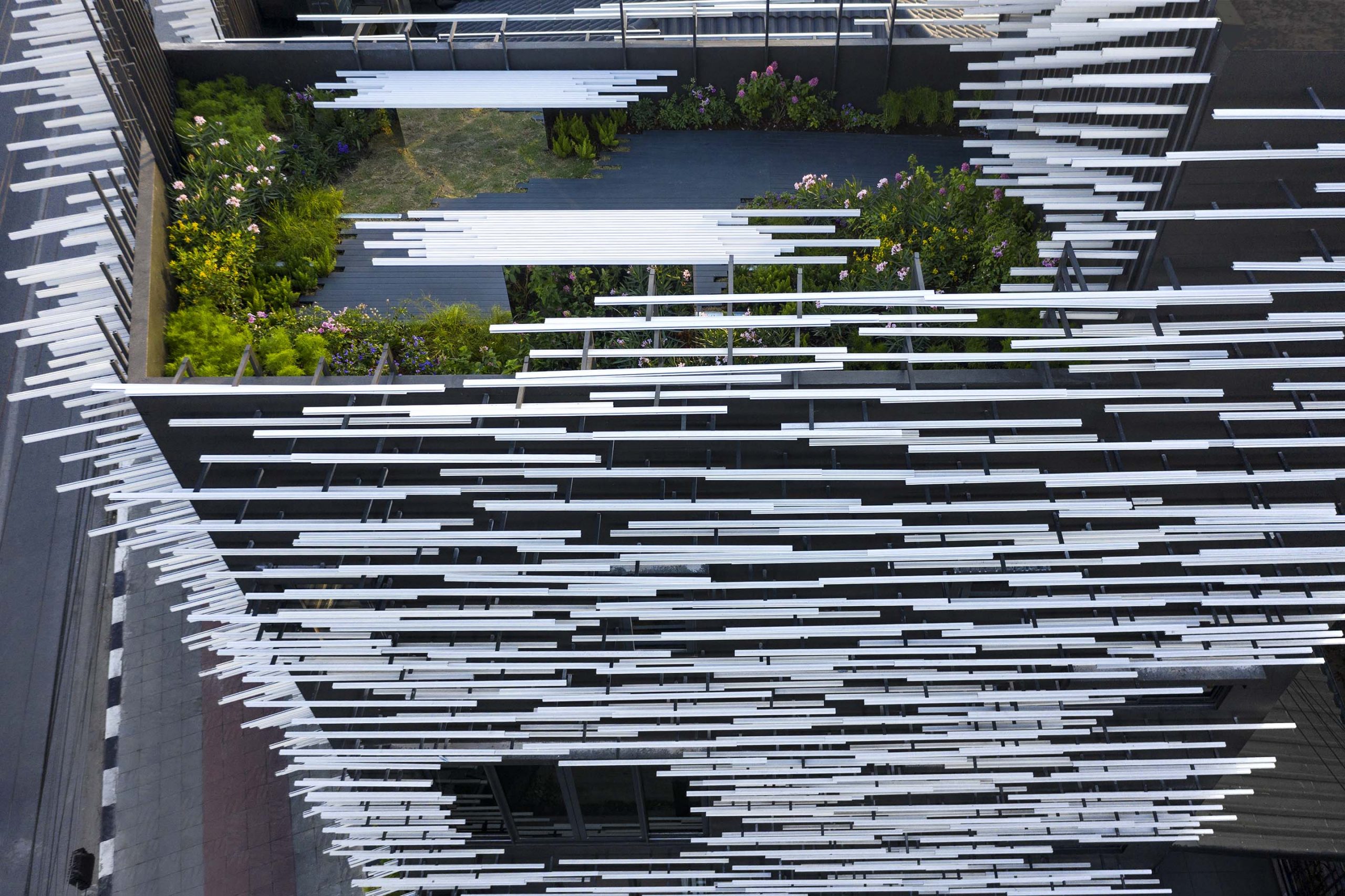
- Museum of Modern Aluminum Thailand, Nonthaburi, Thailand (Photography: W Workspace)
-
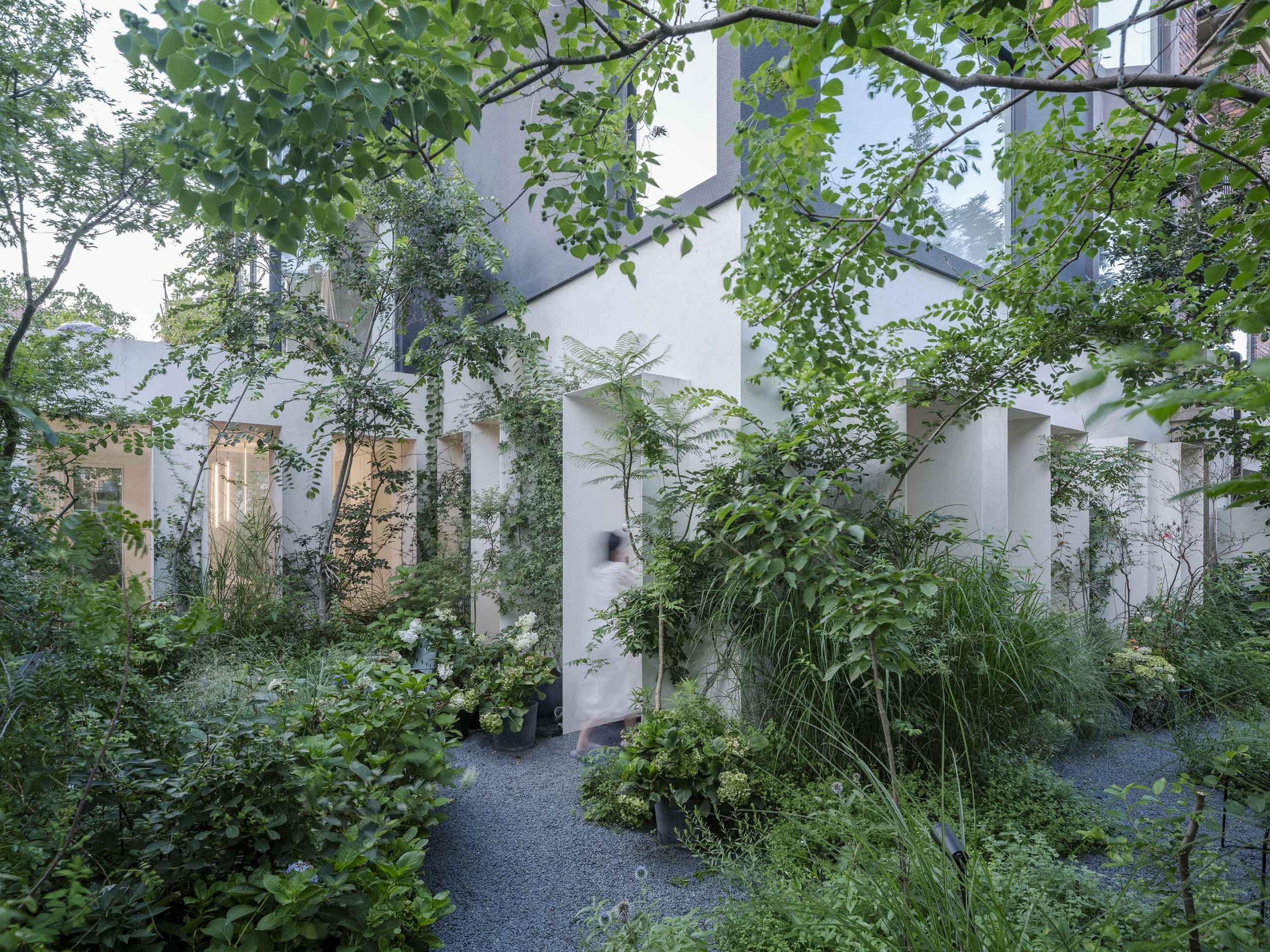
- Forest Villa, Hefei, China (Photography: Fangfang Tian)
-
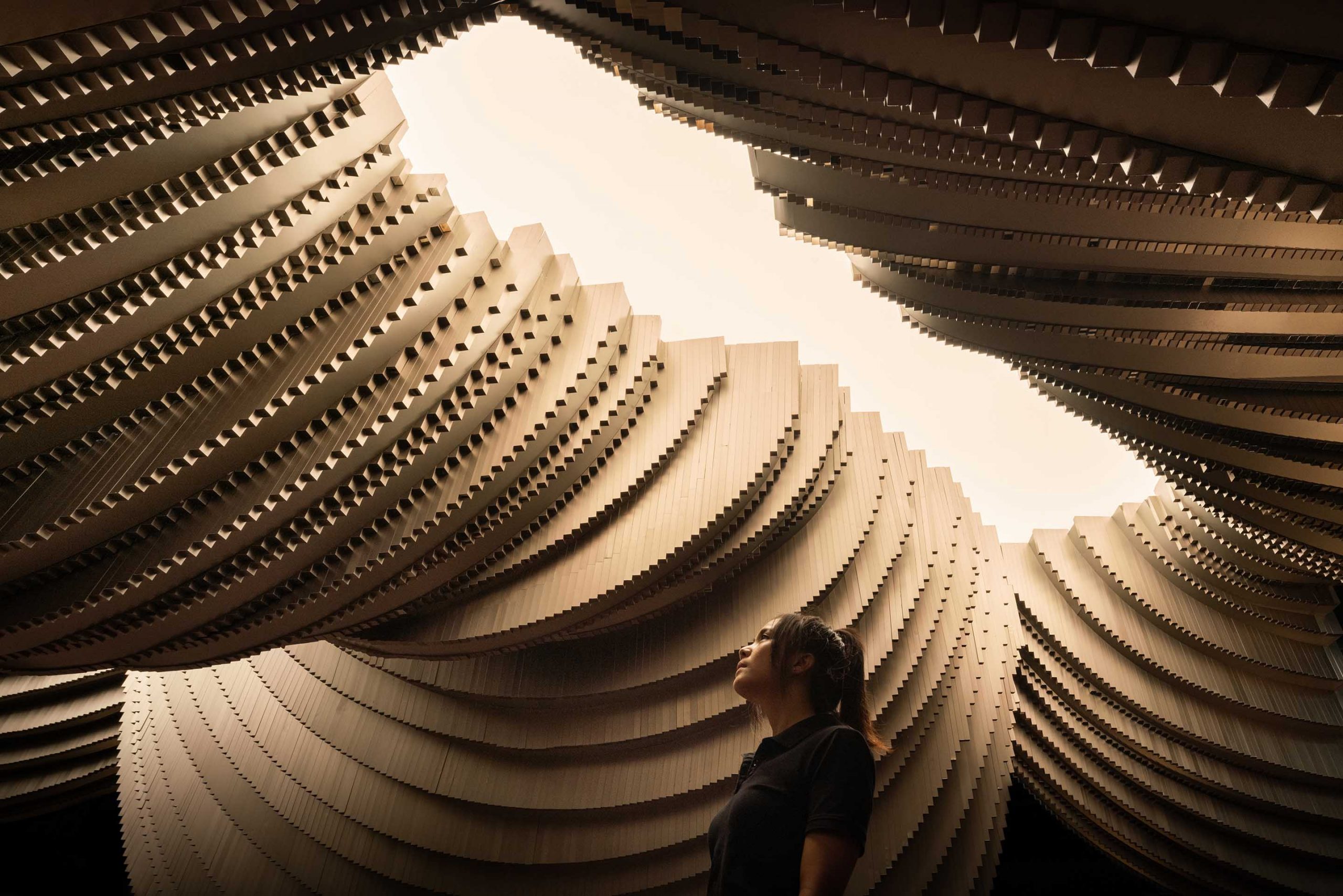
- Aluminum Grotto and Public Ground, Greater Bangkok, Thailand (Photography: DOF SkyGround)
-
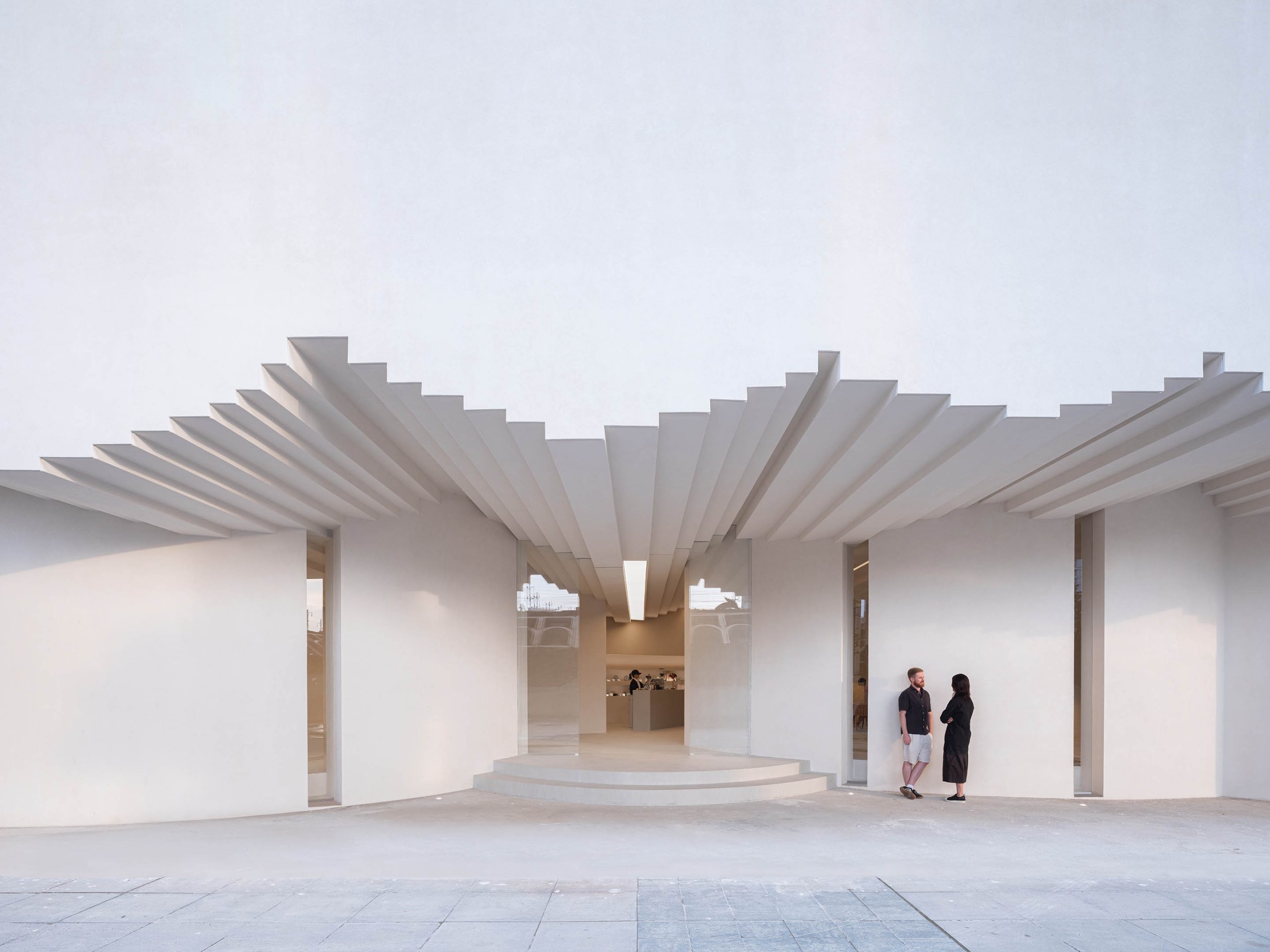
- Simple Art Museum, Hefei, China (Photography: Fangfang Tian)
Your professional journey has taken you across many countries and cultural contexts. How would you describe Thailand’s architectural scene, and what ideas or approaches from working abroad have influenced your practice?
Jenchieh Hung: Thai architecture is deeply connected to nature, climate, landscape, craftsmanship, and everyday social life. Unlike many global cities that often prioritise iconic forms or technological spectacle, architecture in Thailand still maintains a strong relationship with human scale, tropical living, natural ventilation, semi-outdoor spaces, and informal public interaction. However, over the past three decades, most Asian cities have grown vertically, resulting in the widespread use of concrete, metal, and glass materials.
This year, we were invited as speakers at The Association of Siamese Architects (ASA) – ASA International Forum, one of the most important architectural lecture forums in Thailand. There, we presented our latest thinking through Nature Trilogy: Innate Nature, Evolved Nature, Hybrid Nature. This design approach reflects how we observe the world and adapt architecture within the Thai context.
Kulthida Songkittipakdee: Our professional experiences working in countries such as France, Japan, China, Thailand, and Hong Kong have greatly influenced our approach to architecture. Working abroad exposed us to different scales of urbanism, infrastructure, technology, and interdisciplinary collaboration. At the same time, it made us realise that much of contemporary architectural creation and identity has gradually transformed into a form of homogeneity when compared with the works of past master architects. Nature Trilogy: Innate Nature, Evolved Nature, Hybrid Nature represents the evolution of our work and practice in response to concrete-and-glass-oriented cities.
For example, our latest work, Mega Hill and Common Earth, developed in collaboration with The Association of Siamese Architects under Royal Patronage, TTF International, and Hafele Thailand, explores how the raw qualities of nature can be translated into architectural space. Through this balance between nature and the city, we hope our work contributes not only to architecture in Thailand, but also to wider discussions on the future of cities and contemporary architecture in Asia.
-
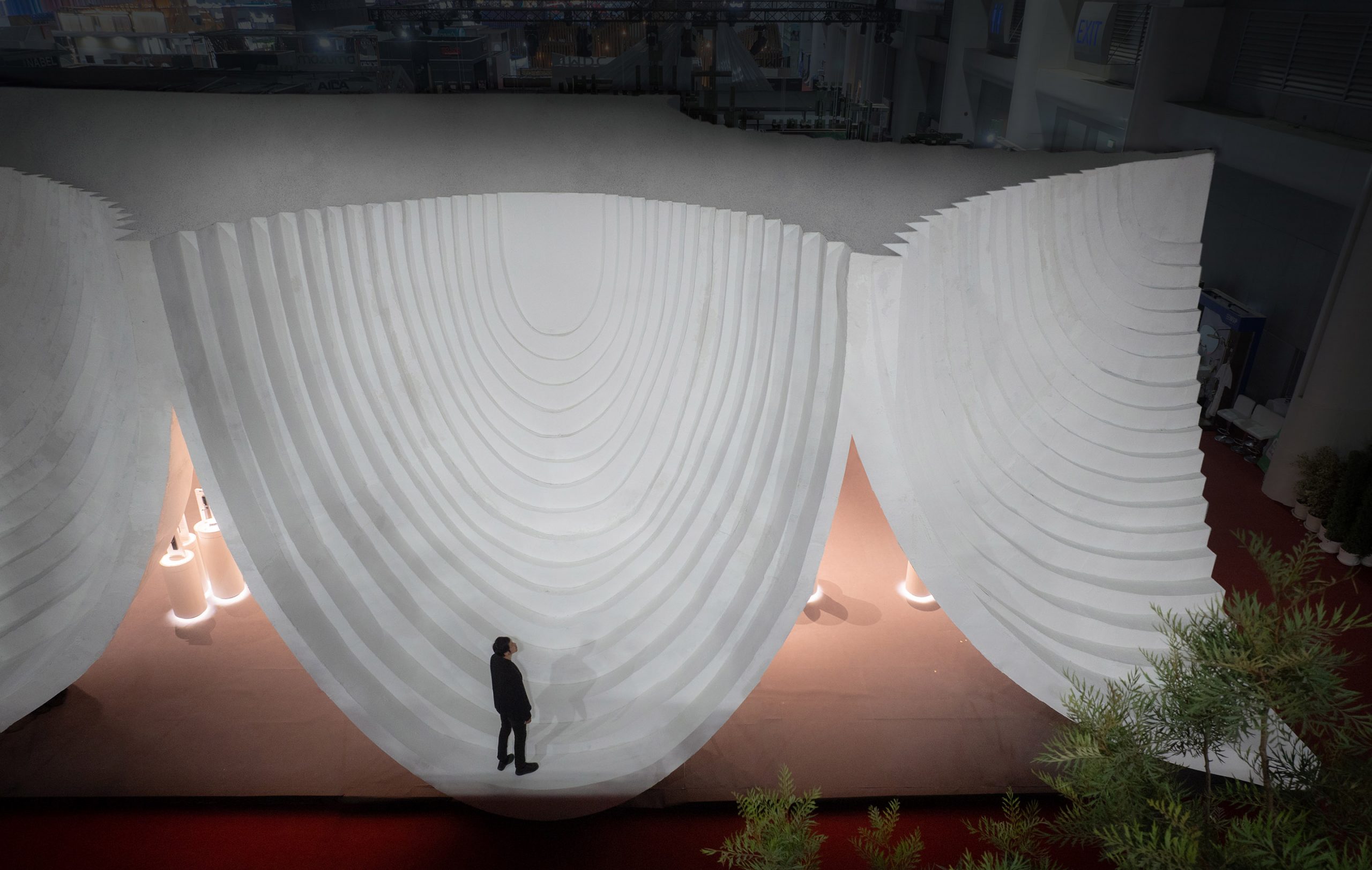
- Mega Hill and Common Earth, Greater Bangkok, Thailand (Photography: Rungkit Charoenwat)
-
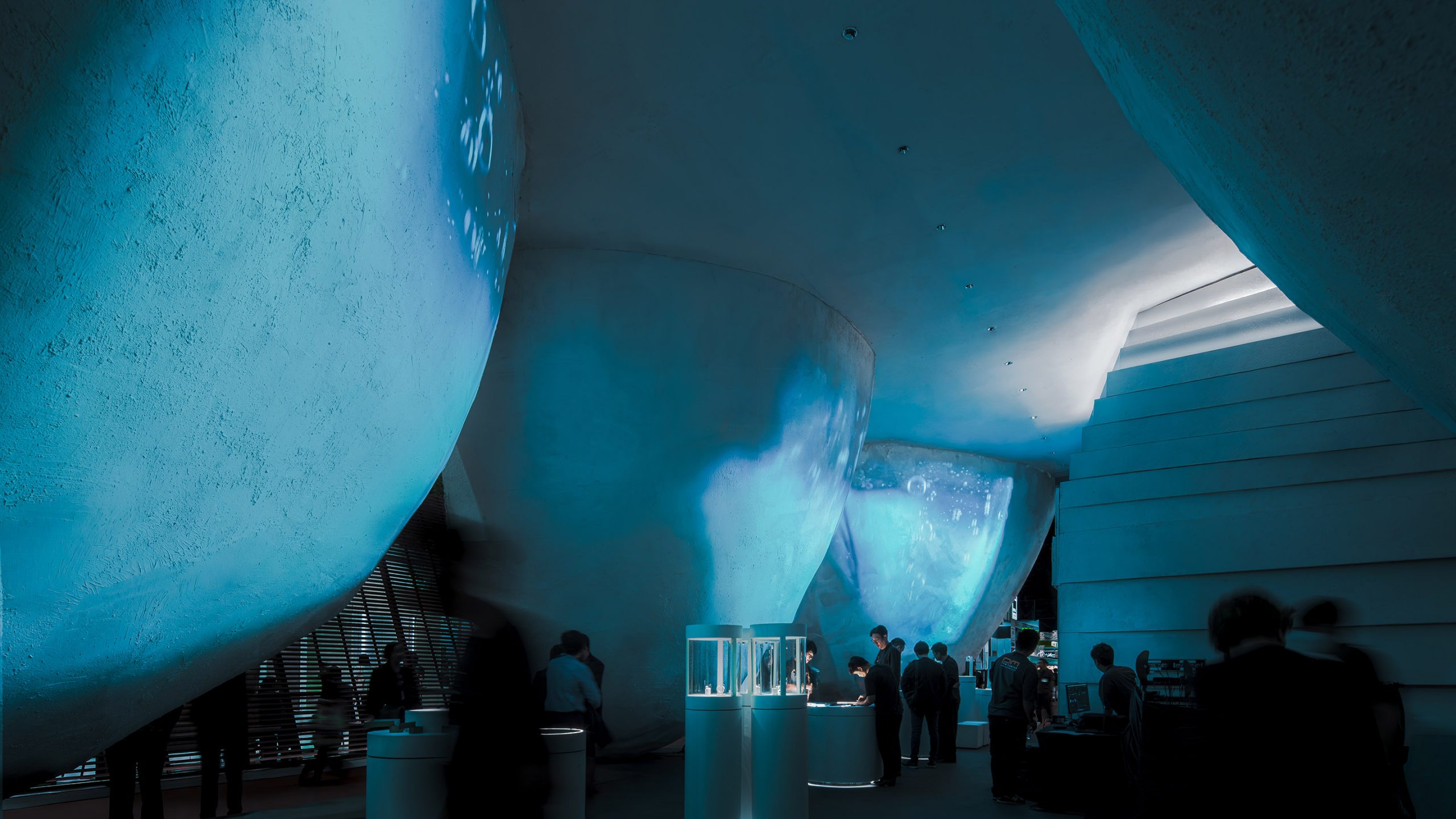
- Mega Hill and Common Earth, Greater Bangkok, Thailand (Photography: ar-chro-matic)
Material experimentation and climatic responsiveness appear central to your design philosophy. Share a project where environmental constraints became a creative opportunity rather than a limitation?
Jenchieh Hung:Material experimentation and climate responsiveness are key parts of our design philosophy. One project that reflects this is Simple Art Museum, a contemporary art museum located in front of a highway, a garbage area, and a parking space. We designed it to explore how architecture, climate, light, and materials work together to create a harmonious atmosphere.
The museum was designed as a series of layered spaces inspired by caves, stone formations, and the way light moves through nature. Instead of a fully transparent building, we used solid and open areas to gently filter sunlight into the interior. Linear openings were carefully placed to avoid direct views of the highway, garbage area, and parking space, while creating soft shadows and changing light throughout the day. In this way, light becomes an important part of the architecture.
At the same time, the building is designed to support natural ventilation and passive cooling. Semi-outdoor spaces, shaded transition zones, and carefully positioned openings help reduce heat gain while allowing visitors to experience the environment more naturally. Instead of separating people from the surroundings, the museum encourages a sensory connection with wind, humidity, shadow, and natural light.
Kulthida Songkittipakdee: Material experimentation was also a key part of the project. We explored how raw textures and imperfect finishes can add emotional depth to contemporary architecture. The material palette draws from natural geology, including rough stone surfaces, layered textures, and cave-like spatial qualities. Instead of highly polished finishes, we aimed to create a sense of timeless quality.
As Jenchieh mentioned, we turned the site constraints—such as the highway, garbage area, and parking space—into a design opportunity. These challenging urban conditions were reinterpreted as part of a new community gathering space, rather than a leftover void in the city. This approach also helps Simple Art Museum establish a stronger presence within its context and a closer relationship with people and the surrounding environment. We see environmental responsiveness not only as technical sustainability, but also as a spatial and cultural experience. Through projects like Simple Art Museum, we hope architecture can reconnect people with atmosphere, nature, and everyday emotional experience in the city.
-
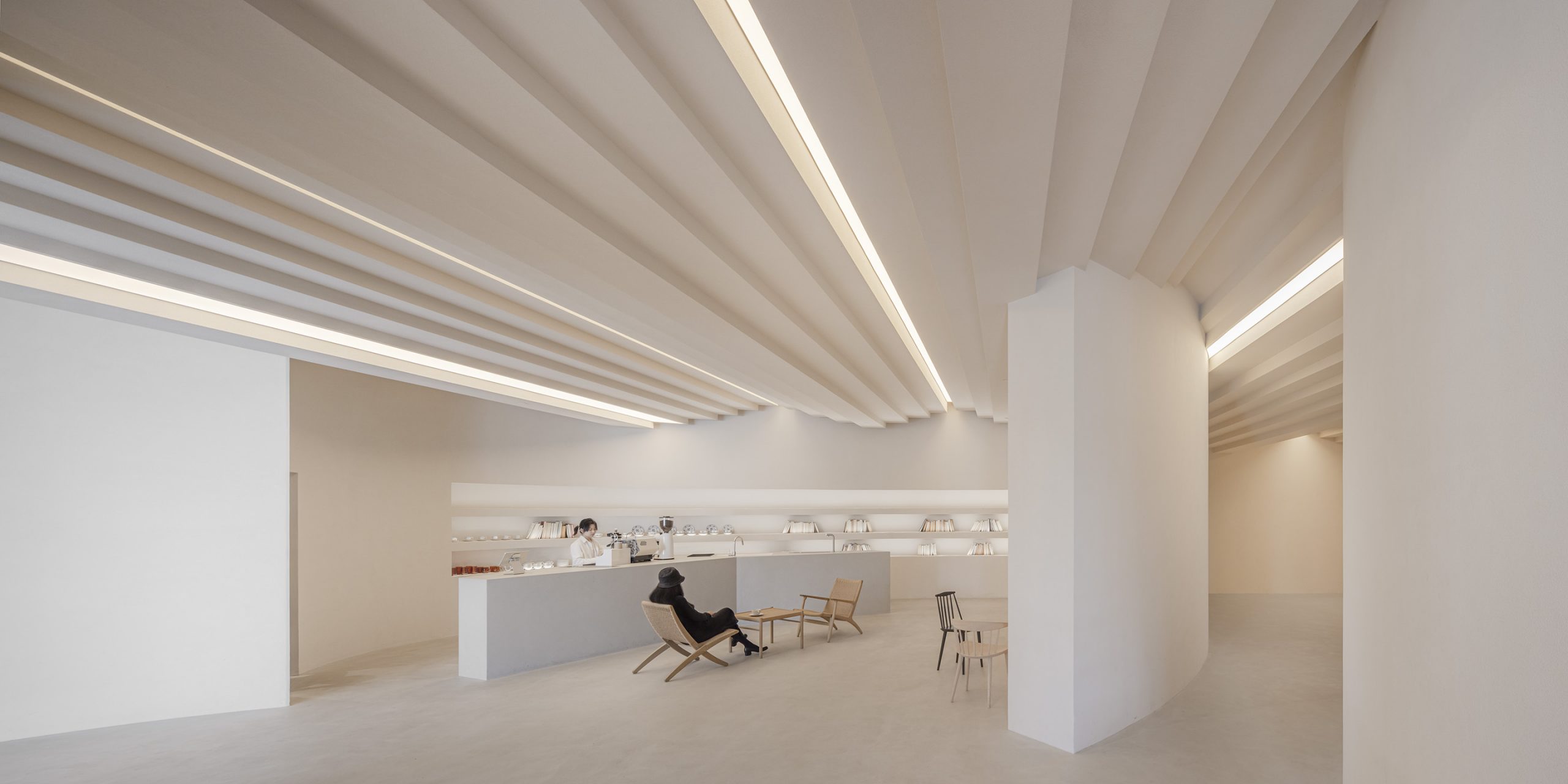
- Simple Art Museum, Hefei, China (Photography W Workspace)
-
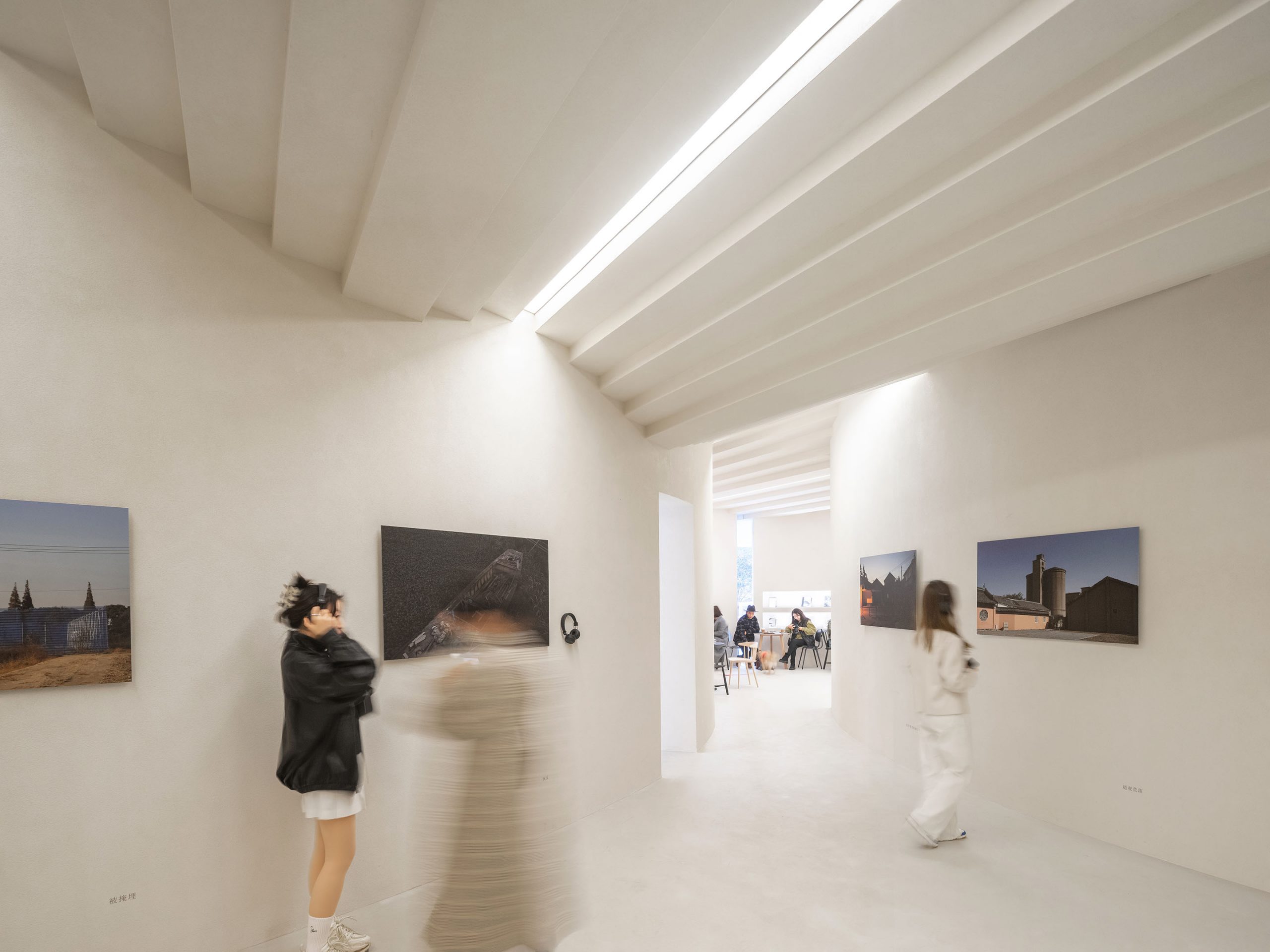
- Simple Art Museum, Hefei, China (Photography Fangfang Tian)
As influential voices in contemporary Asian architecture, as well as educators in the field, what shifts do you believe the next generation of architects should champion in response to social, ecological and even technological changes?
Jenchieh Hung: Actually, the next generation of architects will face a very different world from previous generations. As you can see, around two decades ago, most students travelled to experience and study real buildings in person. Today, however, the younger generation focuses on architecture through on social media and the internet, and architecture has increasingly become a form of “photo-architecture.” Another important shift is that most buildings in contemporary cities were designed by previous generations of architects. For younger architects today, their role will be very different. Rather than constantly creating entirely new buildings, many of them will focus on adapting, renovating, and rethinking the architecture created by earlier generations.
The mindset between past and new generations is also fundamentally different. Climate change, environmental crises, rapid urbanisation, artificial intelligence, digital technology, social inequality, and shifting cultural identities are all redefining the role of architecture within society. These give the younger generation a greater responsibility in shaping the future of cities. At the same time, architecture must become more socially aware and emotionally sensitive. In contemporary society, cities are increasingly fragmented by economic differences, technology, and individual lifestyles. Public space, collective memory, and human interaction are gradually disappearing in many urban environments. We believe young architects should focus more on how architecture can create meaningful social experiences, cultural identity, and spaces for public interaction. Architecture carries the responsibility of shaping how people feel, connect, and experience everyday life, extending far beyond the demands of function and construction.
Kulthida Songkittipakdee: As educators, we always encourage students to look at the world critically rather than simply following trends or visual styles. Today, social media and digital culture often push architecture towards fast consumption and superficial imagery. However, meaningful architecture requires time, research, observation, and a strong understanding of context. We hope the younger generation can stay curious about culture, materials, history, local knowledge, and human behaviour instead of relying on global visual styles.
Technology will also play a major role in the future of architecture. Artificial intelligence, computational design, robotics, digital fabrication, and advanced environmental systems are transforming how architects think and work. In many ways, technology has made architecture more efficient, but sometimes less emotional and less connected to place.
As architects, we are interested in balancing technology with human experience. Even in highly technological environments, people still seek light, shadow, texture, memory, nature, silence, and sensory experience. These qualities remain essential regardless of technological change. Another key shift is interdisciplinary thinking. Future architects will need to work closely with artists, engineers, scientists, ecologists, sociologists, and communities, as today’s challenges are too complex for one discipline alone.At our firm, we see architecture as an intersection between research, art, landscape, urbanism, material experimentation, and cultural discourse. We believe the younger generation should embrace this openness and expand the role of architecture into broader conversations about society and the future of cities.
-
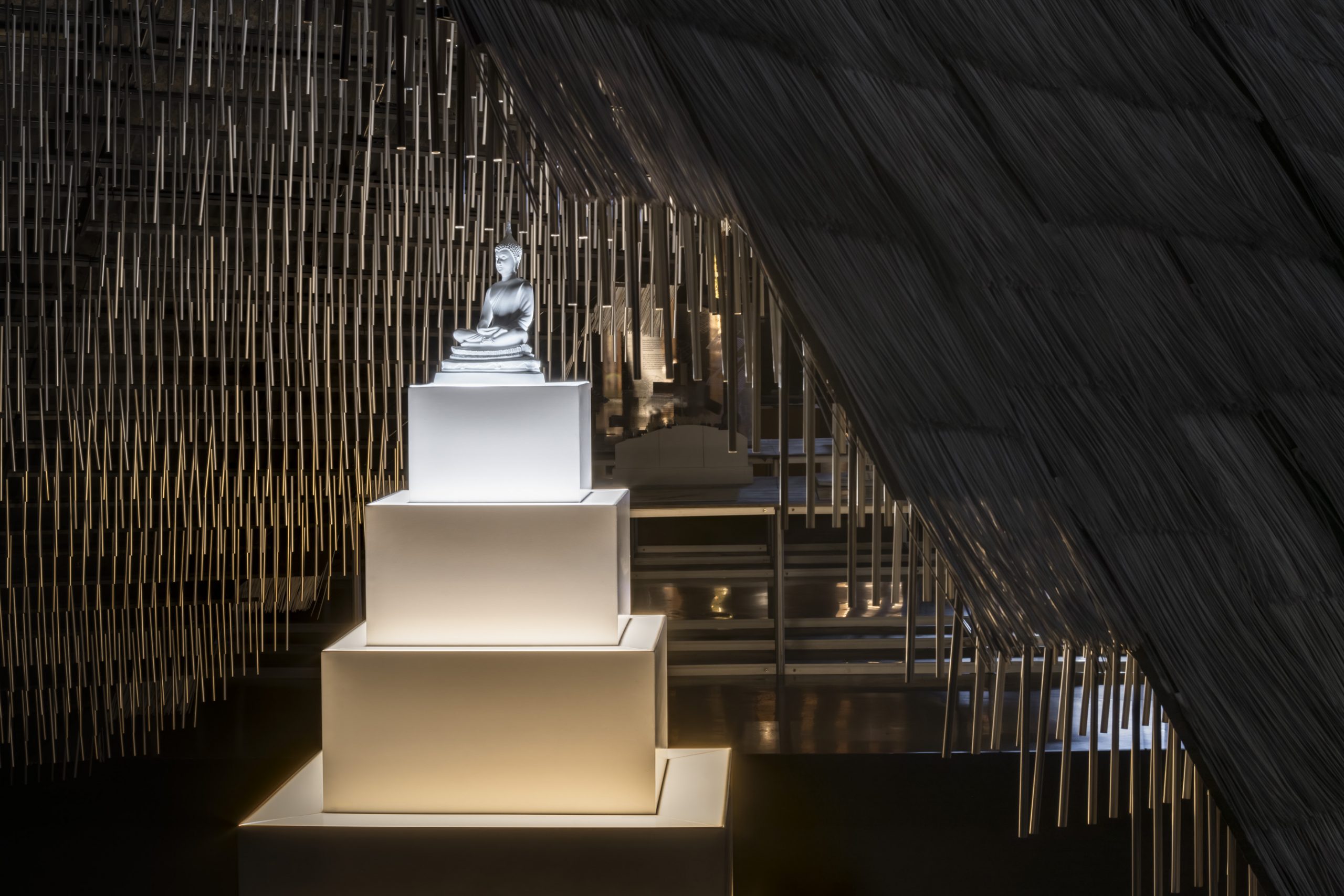
- Buddhist Wind Grove Monastery, Nonthaburi, Thailand (Photography: W Workspace)
-
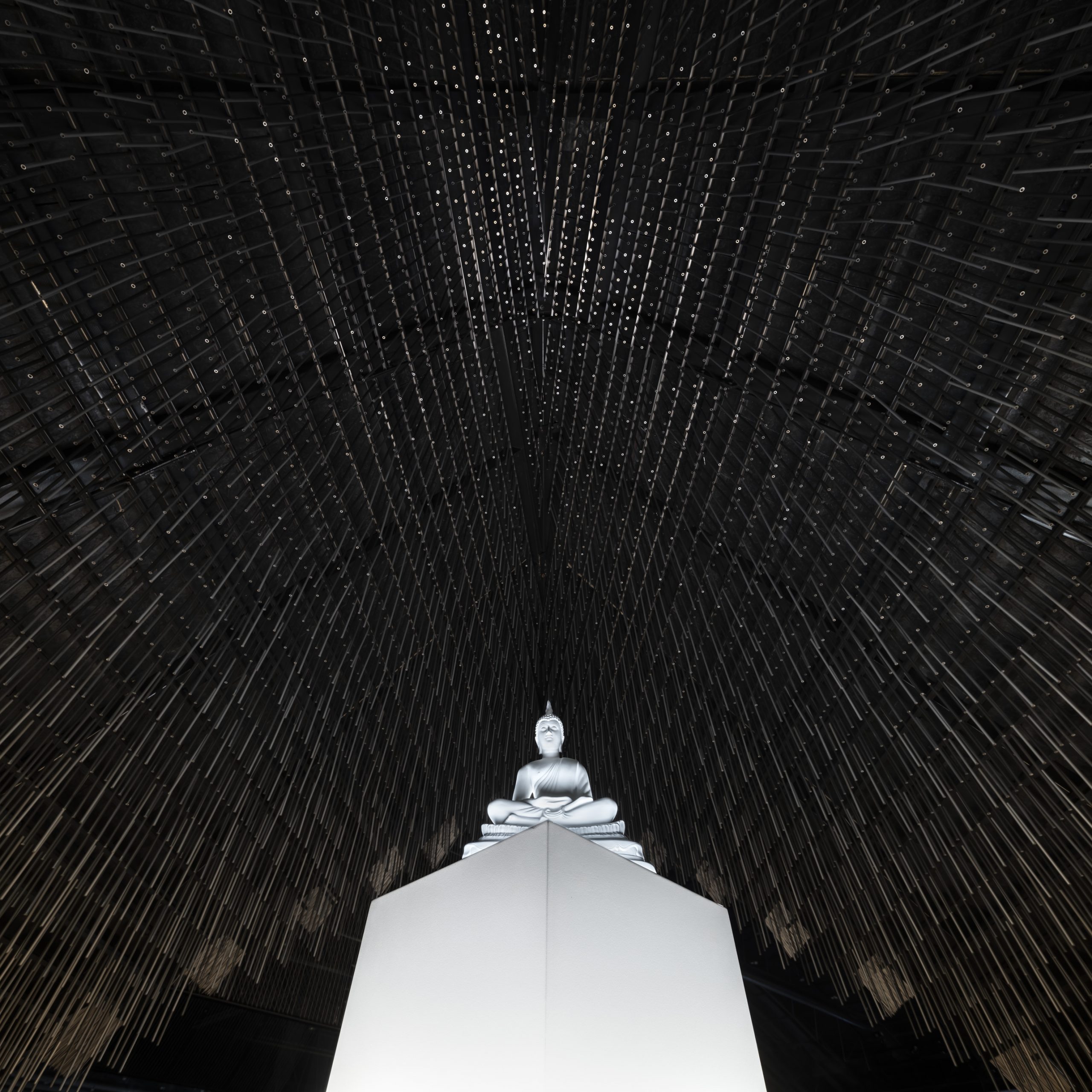
- Buddhist Wind Grove Monastery, Nonthaburi, Thailand (Photography: W Workspace)
What are you currently working on?
Jenchieh Hung: At the moment, we are working on several projects across urban design, architecture, interiors, exhibitions, research, and education, all of which continue our ongoing investigation into the relationship between nature, materiality, and human experience.
One of the projects that is almost completed in Thailand is a retreat villa called Khaoyai Mountain Grounded Villa, a special building designed to create a dialogue with the mountain through architectural materiality and landscape. We are also working on a Buddhist Temple Meditation Monastery, the Bangkok Contemporary Art Centre, and Resonance Music School Bangkok, all of which explore the relationship between atmosphere, spirituality, sound, and space. At the same time, we are designing a project called Bangkok Architecture Library and Workshop, which aims to become a platform for architectural learning, research, and public interaction.
In addition, we are designing two buildings for a Michelin two-star chef as part of a new Restaurant and Learning Hub project that combines culinary culture, education, and spatial experience, among many other ongoing projects. Beyond Thailand, we are also involved in several international projects, including a city cultural and sports centre in China, an urban and architectural project in London, United Kingdom, and a pavilion project in Tallinn, Estonia. These projects allow us to continue exploring how architecture can respond to different cultural, environmental, and urban conditions while maintaining our ongoing interest in material experimentation, atmosphere, and the dialogue between nature and contemporary cities.
Kulthida Songkittipakdee: Beyond our commitments to architectural practice, we remain dedicated to contributing our professional experience to society, with the sincere hope of supporting and elevating Thai architecture on the global stage.This year, I was appointed vice president of The Association of Siamese Architects under Royal Patronage, and Jenchieh Hung was appointed as a distinguished professor by the university. We continue to see architecture as a critical voice within society, and we are currently developing a new exhibition focused on contemporary Thai architecture. We are also preparing to publish a new book titled Nature Trilogy: Innate Nature / Evolved Nature / Hybrid Nature.