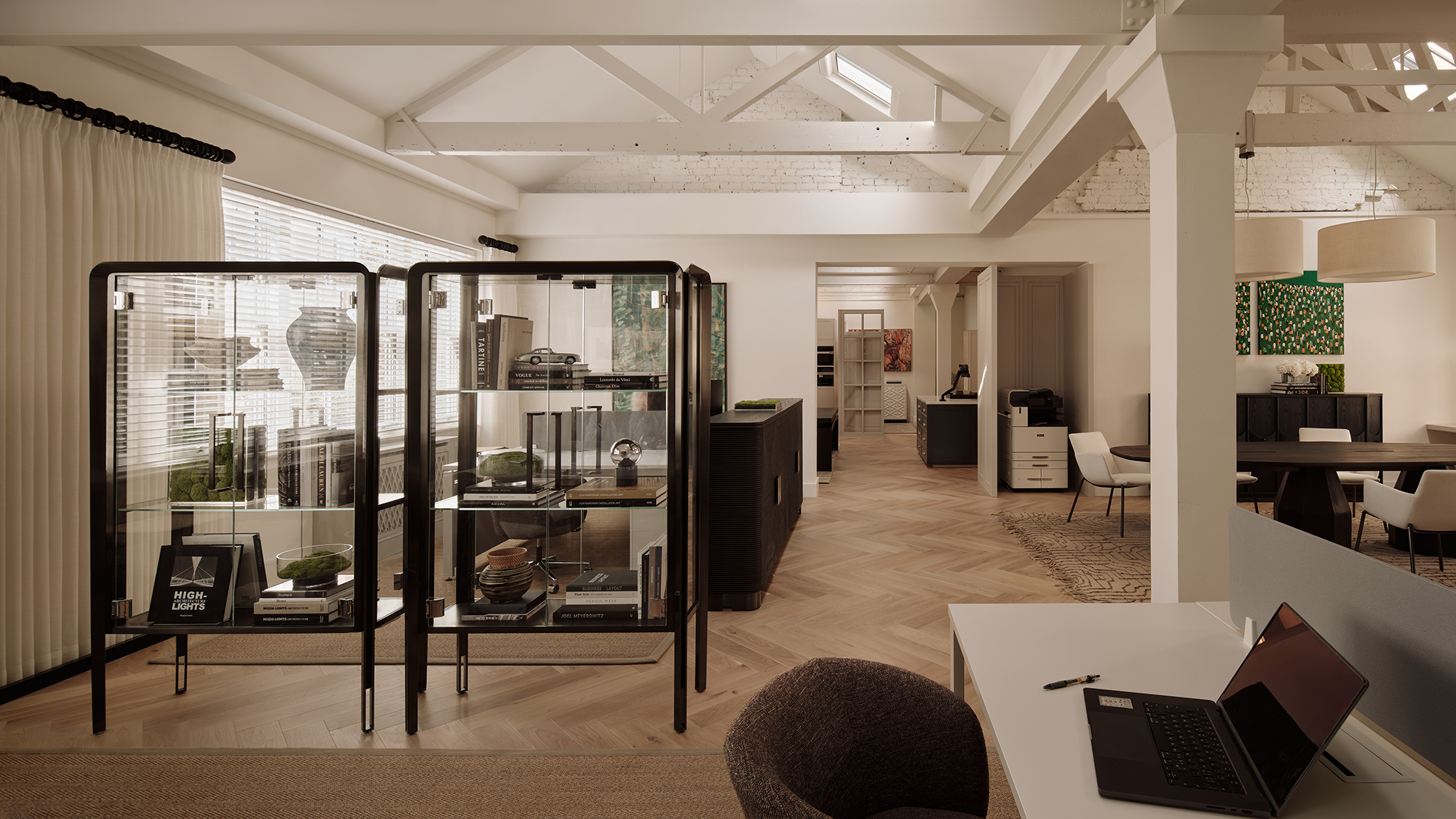
Founded in 2004, Design Republic is a retail concept store based in Shanghai, offering a unique collection of products that hail from global design labels and design creatives. These designer products, including books, furniture, fashion, and lightings would perhaps never reach China’s consumers if not for the Design Republic, incepted by Lyndon Neri and Rossana Hu, founders of inter-disciplinary architectural design practice Neri&Hu.
Design-centric products come from established brands including De La Espada, Emeco, Agapecasa, Bocci, Tribu, and Maruni. These collections are also available online.
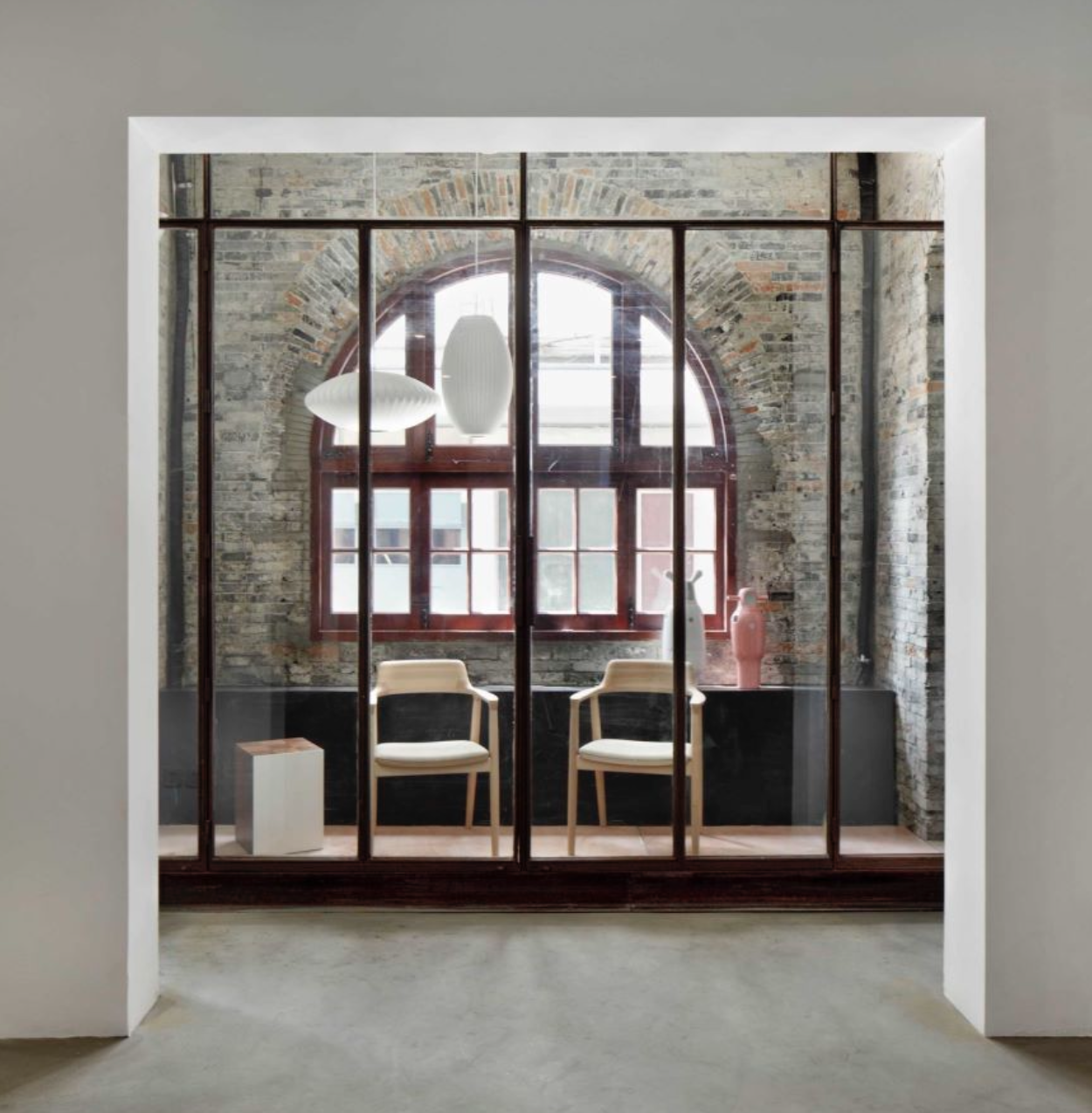
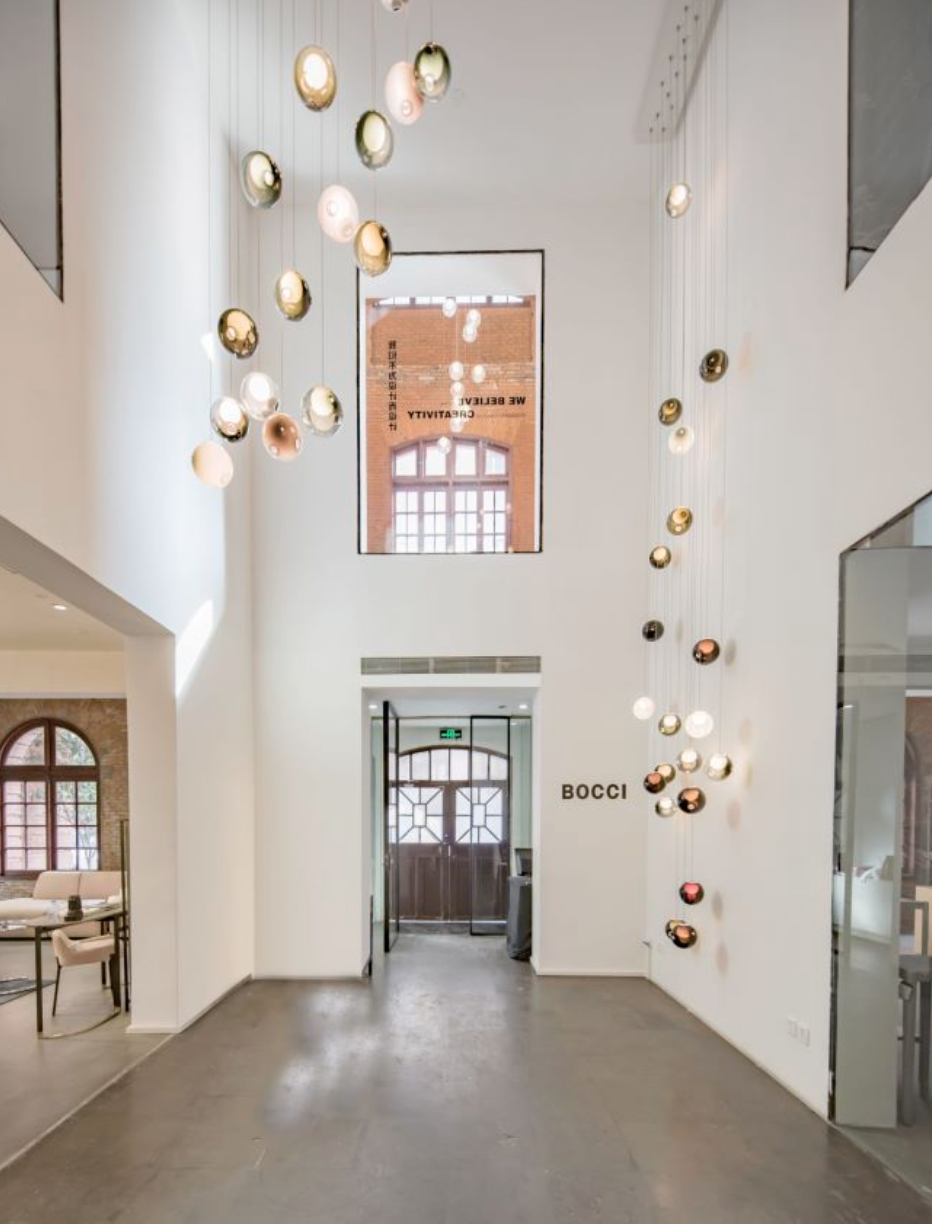
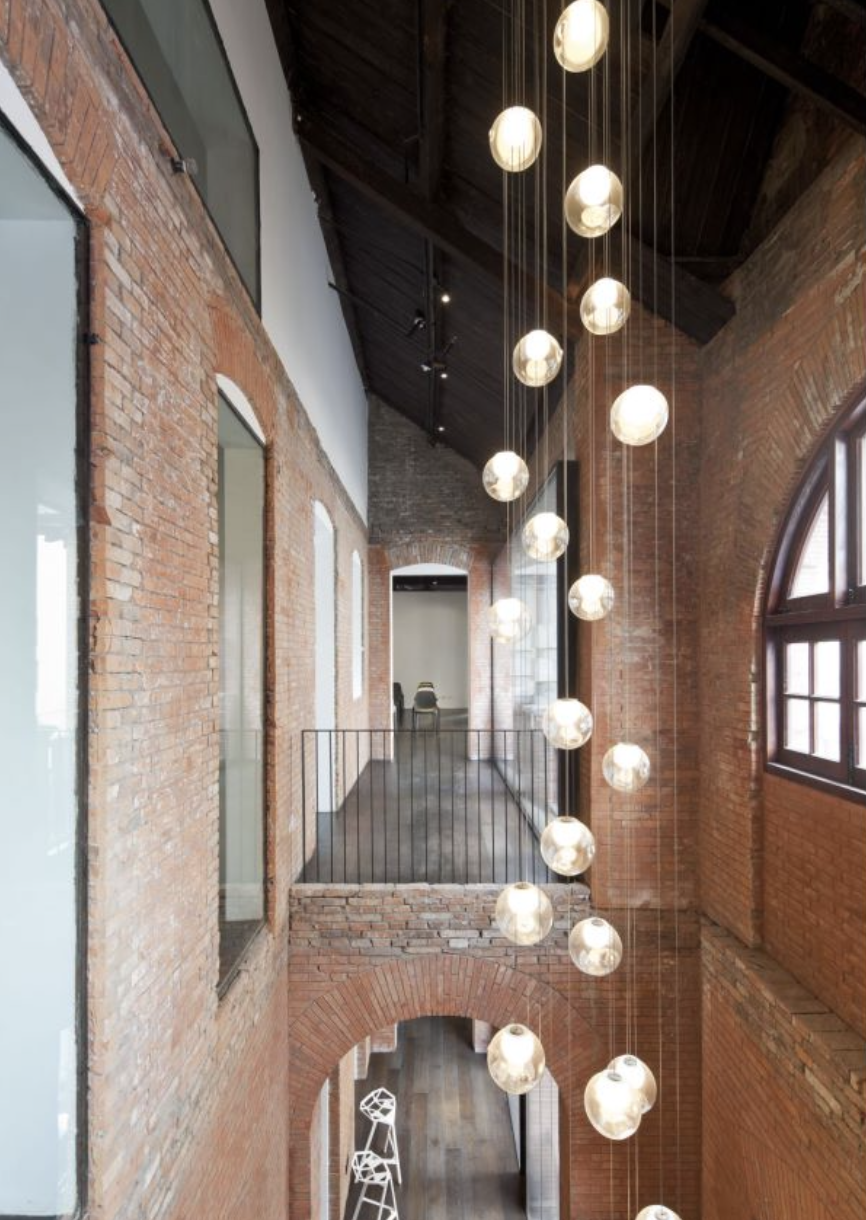
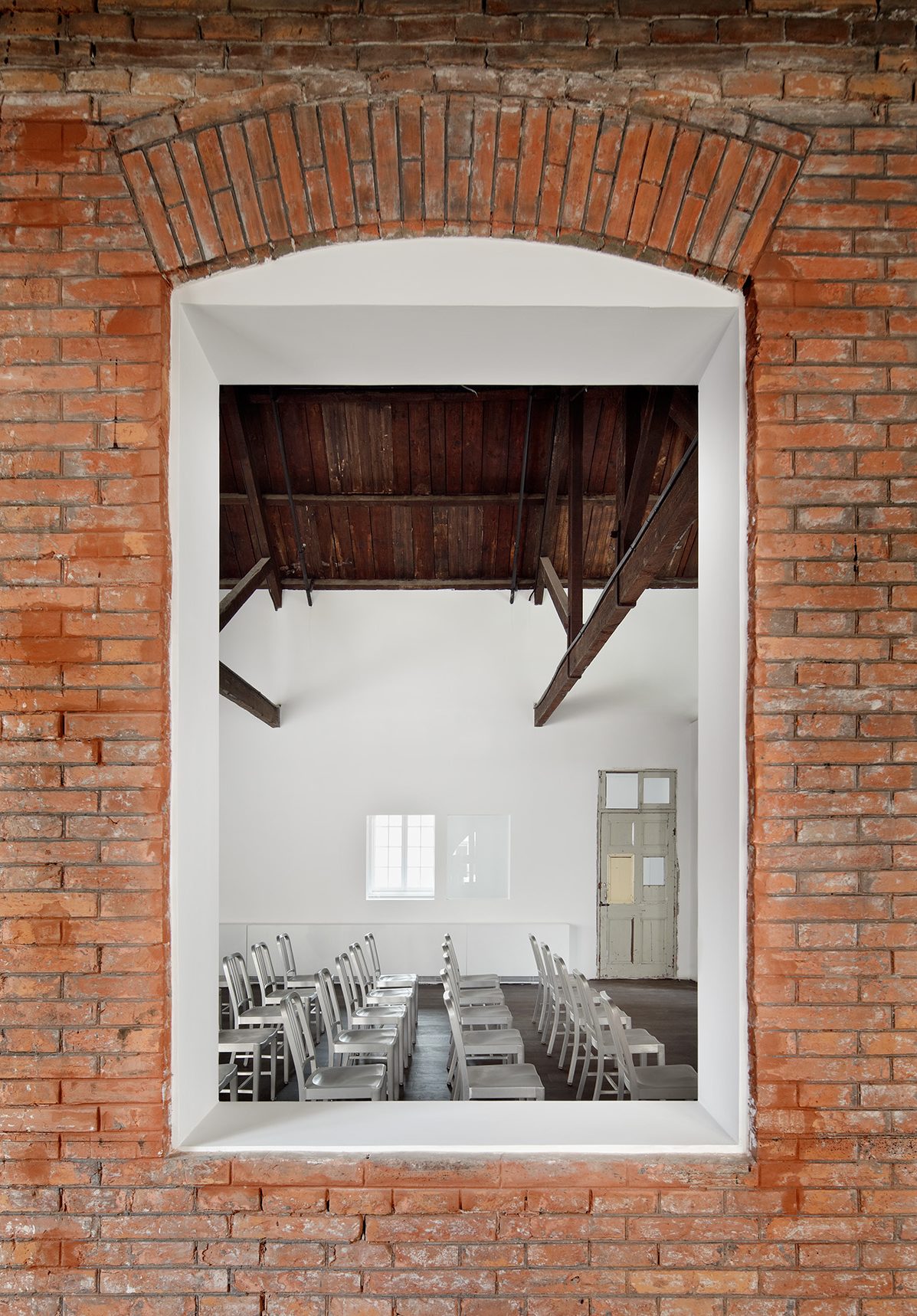
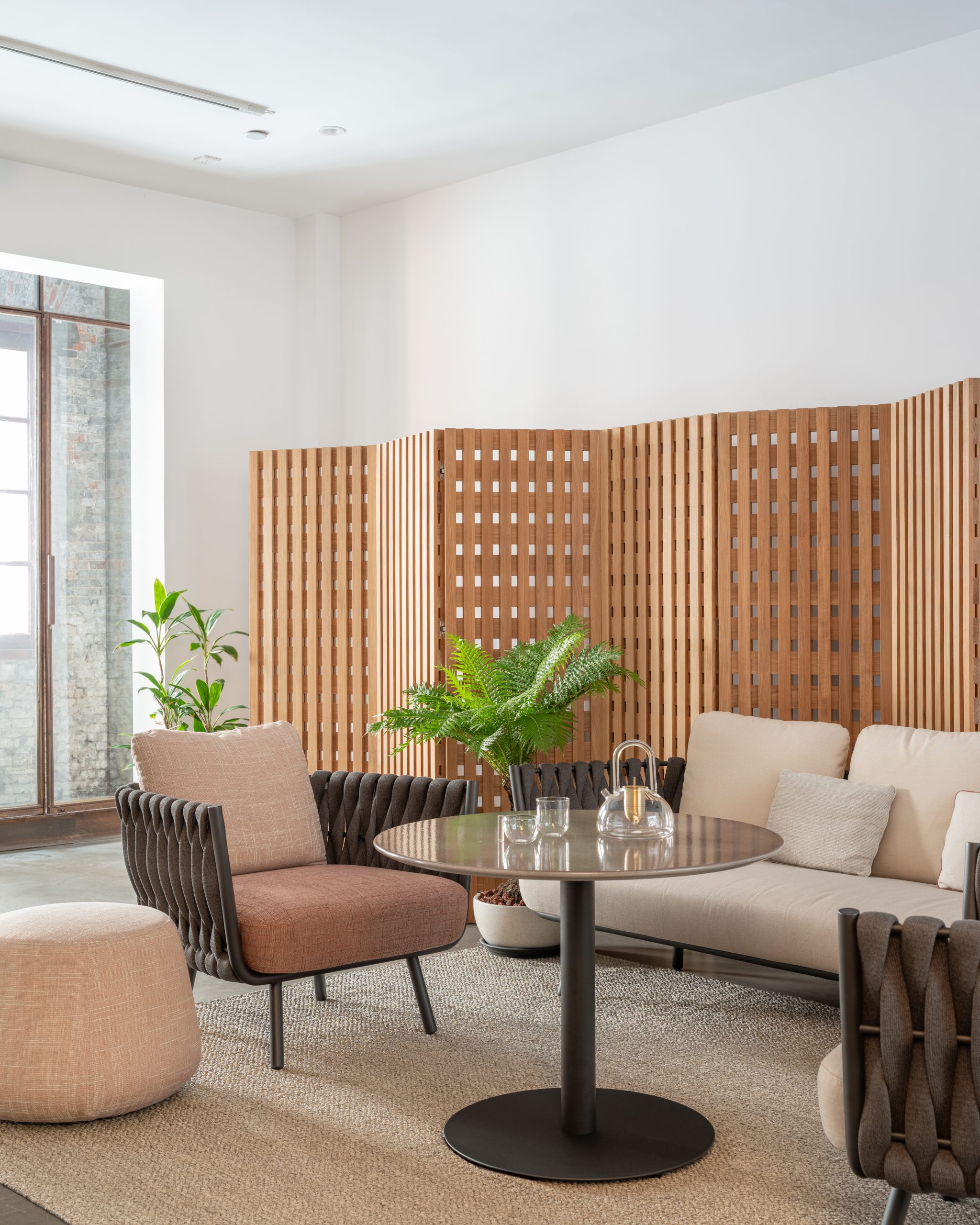
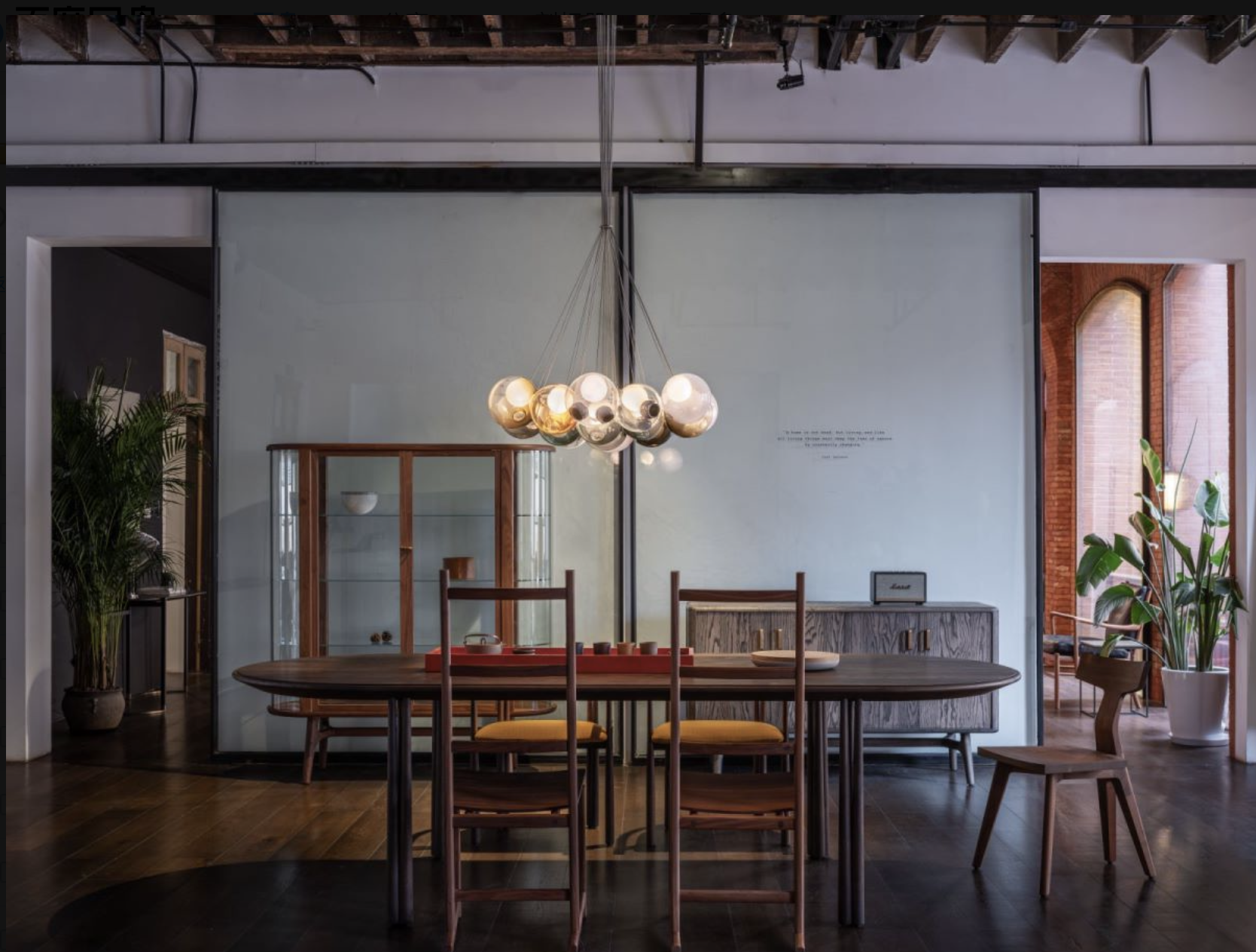
Design Republic Design Commune is the retail arm of Design Republic, a design platform that convenes designers and design enthusiasts. Located at the central Jing’an district, the Commune also houses a design gallery, event hall, café, Michelin-starred restaurant and a one-bedroom Design Republic apartment. Through activities such as exhibitions, talks, workshops and film screenings, the Design Republic is at the forefront of the design discourse.
Visit Design Republic here.
Photos by : Pedro Pegenaute, Studio FF